#3 How Universities and Research Institutes Can Ensure Researcher well-being
Researcher well-being is both a personal priority for individual researchers and an organizational one for authorities and decision-makers in academia. So, what can universities and research institutes do to ensure researcher well-being? They would need to adopt a two-pronged approach at least.
First, provide access to resources that can help researchers deal with their mental health concerns. Universities should ensure access to professional counselling or mental health services for researchers, either by establishing counselling centers within the organization or through tie-ups with mental health service providers. In addition, they should create awareness about these services among their students, researchers, and faculty, as well as foster an atmosphere that encourages those who need these services to use them.
Many already do this, but this is not yet a norm globally. Furthermore, it is worth noting that the demand for mental health services on campus is likely to have increased in the past few years, as has been reported for universities in the U.K. and the U.S.A.
Therefore, equitable access to such services should be a priority for universities and other authorities within academia worldwide. Each university would ideally need to assess (and regularly re-assess) the type and scope of services its community requires and how it can meet these requirements. Some have come up with innovative approaches of meeting these needs; for example, UCLA has introduced a mental health tracker to screen and track mental health issues among students.
Several mental health advocacy or non-profit groups (such as National Alliance on Mental Illness, Active Minds, and Student Minds) have student-led chapters and peer-support groups on university campuses. Universities can encourage students to initiate such programs, as these can serve to both create awareness and direct students to appropriate resources. This is especially relevant if universities themselves cannot yet offer professional counselling services or if they wish to complement them.

Second, identify and address possible workplace-specific root causes of mental health problems. Universities, research institutes, and larger overseeing bodies should assess how organizational systems and processes need to be adapted to create a sustainable, positive, and productive research environment. One such larger-level effort is a project initiated by The Royal Society, which aims at determining how it can promote a research culture that facilitates excellence in research and helps researchers flourish. While its focus is not mental health specifically, much of the work in this project touches upon factors critical to researcher well-being, such as career paths, recognition and reward, diversity/inclusion, and support for collaboration. More of such initiatives need to be undertaken globally rather than in silos, because many underlying causes of stress in academia are global in nature and interconnected.
At the organization level, universities can gather inputs on what the status of well-being among their own researchers is, whether their researchers receive adequate support at their workplace, and what aspects of the work environment they appreciate or find challenging. Having concrete information of this type will help them identify how to shape their systems or processes to minimize stress triggers in their environments.
The CACTUS Foundation’s global survey on mental health among researchers, which we’ve mentioned earlier in this series, aims to fill exactly these types of information gaps. Therefore, one of the immediate steps universities and research institutes can take toward ensuring researcher well-being is to sign up as a partner for this survey. By becoming partners, organizations will support a massive global initiative to address a major health concern within academia and receive international recognition as organizations committed to addressing it.

Moreover, the primary benefit for any organization that signs up as a partner and actively disseminates this survey among its researchers is that it will receive customized reports. These reports will be based on the inputs shared specifically by its researchers, since the partner will be offered a custom link to collect survey responses from its researcher base (provided, of course, that a large enough sample of individuals from the organization has taken the survey).
This will help the organization review patterns specific to its work environment and researchers and then compare them with overall global or regional patterns. For example, organizations can review whether their researchers are satisfied with the resources, mentorship, and support offered to them; whether their policies related to work–life balance, discrimination/bullying, and research ethics are considered effective; and how researchers typically deal with feelings of work-related stress.
Furthermore, the custom reports can help review trends across different demographic groups within an organization (e.g., by tenure, career stage, discipline) for a comprehensive understanding of problems specifically affecting these groups. They can especially help understand the viewpoints of underrepresented groups and therefore design practices that foster inclusion and diversity.
Given the breadth of topics this survey covers, the reports will offer important insights that can help organizations identify highly specific pain points and inform their decisions/policies related to researcher well-being.
To learn more about this survey and how organizations can sign up as partners, click here.
Lessons from the world’s fastest rising young university: NTU Singapore on recruiting top global research talents and building data-driven research capability
As a young, research-intensive university, Singapore’s Nanyang Technological University (NTU Singapore) continues to impress. NTU has managed to rapidly ascend the Times Higher Education (THE) university ranks over the past few years. In 2015, NTU was named the world’s fastest rising young university by THE.
NTU was inaugurated in 1991, when its predecessor institution, Nanyang Technological Institute (NTI) which was set up in 1981 on the grounds of the former Nanyang University, merged with the National Institute of Education (NIE). NTU became an autonomous university in 2006. By 2011, NTU had ranked in the top 200 universities in the world (#174) and reached #48 in the world (up 126 positions) and #6 in Asia between 2011 and 2019.
Every year, they have seen drastic improvements in the score across areas: Research (47.8 to 64.9), Citations (34.5 to 54.5), and Industry Income (44.4 to 99.5). Both NTU and NUS have very high International Outlook scores (95.4 and 95.5 respectively) compared to even the top-ranking university in Asia, Tsinghua University (at 45).
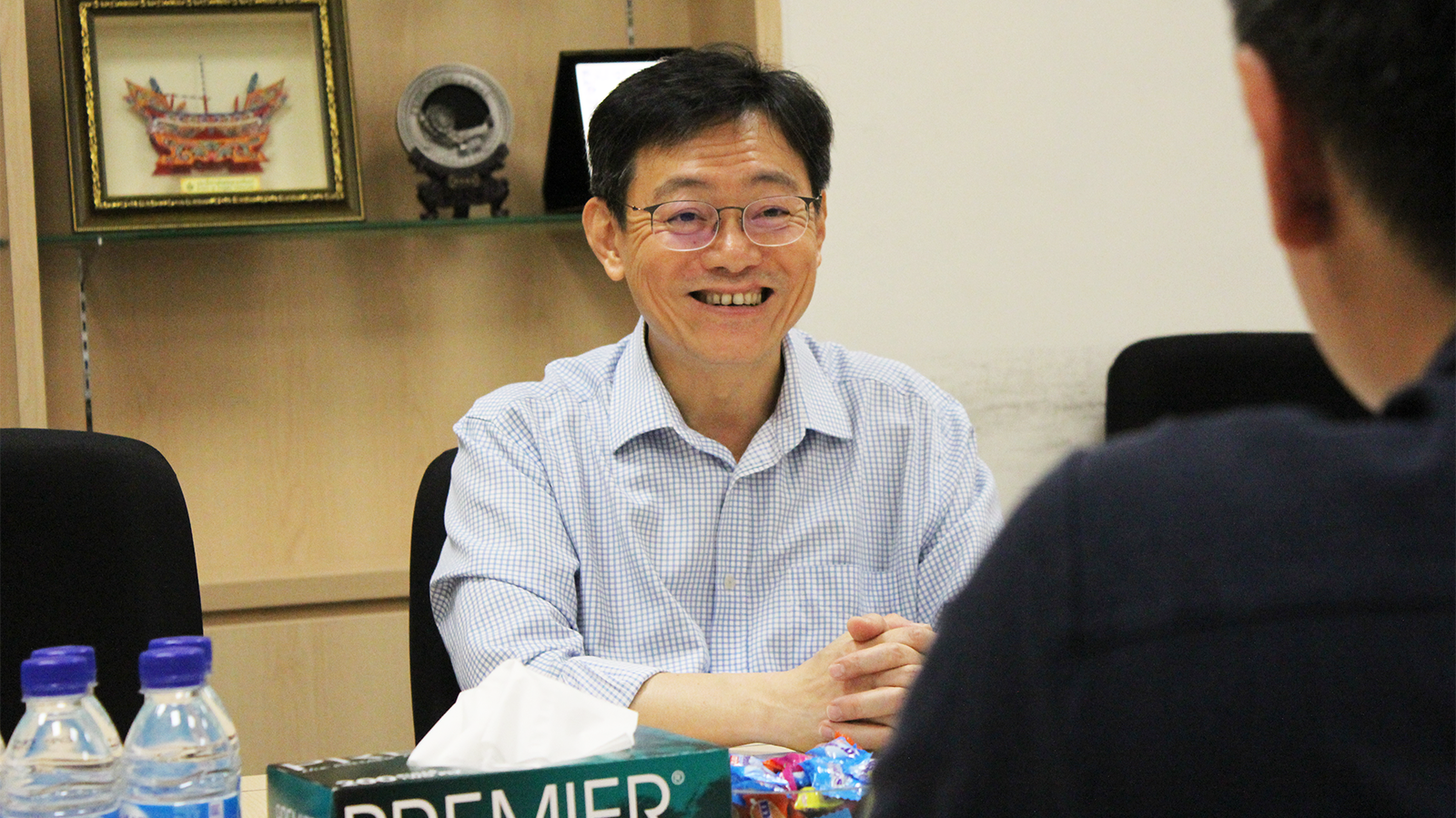
Makoto Yuasa and Ai Kano of Cactus Communications interviewed Professor Khor Khiam Aik of NTU to discuss the university’s strategy and Professor Khor’s involvement and thinking behind the university’s rapid climb through the ranks.

Professor Khor Khiam Aik
The Director of the Talent Recruitment & Career Support (TRACS) Office and Bibliometrics Analysis at Nanyang Technological University (NTU). Currently, he heads a number of projects related to bibliometrics analysis of biomedical engineering, advanced materials, and biomaterials.
-What is your role within NTU?
Professor Subra Suresh became our fourth president this year. He recently launched his grand 5-year plan. As part of this plan, he formed the office of Talent Recruitment and Career Support (TRACS) to continue attracting young promising researchers and faculty to NTU. He asked me to head this office. In addition to this, I continue to look after the bibliometric analysis.
-Could you talk more about your ongoing role in bibliometrics analysis?
In my role as director for bibliometrics analysis, I assess the quality of the output of NTU. To us, quality is a crucial aspect and one of the reasons why Singapore universities have been successful. I always made it a point to highlight feedback for the departments. I give them a breakup of their papers that are in the top journals and those that are highly cited. I prepare a report for each department and share it with their head.
-Once the data has been collected, does someone responsible for university ranking decide the next steps or do you let researchers take the lead?
Normally, I let the researchers decide. We believe that outstanding researchers will do outstanding work, so we aim to recruit accordingly. Outstanding researchers have very high standards and they don’t compromise. They insist on having the best: the best student, the best research staff, and collaborating with the best. That makes it easy for us. All we need to do is ensure there is funding.
University Ranking and Its Values


The Hive, composed of 12 towers – each of which is eight storeys high, is NTU Singapore’s first learning hub. Launched in 2015, it is the centrepiece of the university’s flipped classroom pedagogy, equipped with 55 tech-enabled “smart” classrooms.
-Your ranking has improved year by year, especially in 2012-2013. How was it possible to establish a global reputation and see improvements in such a short period?
I would say that the improvement started before 2012, in around 2004-2005. Ranking is, in our view, imperfect and imprecise, but it is an indicator of the university’s progress. I feel that, largely, it favors English-speaking countries like the US and UK. We believe that the ranking serves the interest of the ranker primarily, but the rankings provide relevant information to users, especially the students.
-How do you think Japanese universities fit into this?
I appreciate many good qualities of Japanese universities. Unfortunately, ranking agencies have not been able to capture these qualities. I hope the Japanese government realizes that it is not as bad as what the ranking indicates. Of course, we always want to be better. I’d say that the ranking has made everyone acknowledge that there is an internationally agreed set of metrics, and the rankers use this set for ranking.
-So, you don’t think the ranking is accurate?
I think that the ranking industry has not matured. I hope that someday it will more accurately represent the universities. Universities are way too complex for a single ranking system to capture them accurately. Ranking is like a photographer capturing various profiles of you. Certain profiles are not the best, but there may be a very good side that the photographer didn’t capture.
How Singapore Attracts Researchers from Around the Globe and How the Government is Open to Foreign Researchers


The Arc, NTU Singapore’s second learning hub. Launched in 2018, the six-storey building has 56 “smart” classrooms each equipped with multiple LED screens, flexible clustered seats and wireless communication tools.
-Recruiting the best researchers from around the world is what I think every university is trying to do. What is your approach?
As you know, Singapore is multicultural and multilingual, partly because of its evolution from a modest trading and commercial hub to the regional administrative center of the British Empire. That works to our advantage. From the beginning, we could reach out to the English-speaking world, and our outlook has always been global. That means we attract global talent. They know that when they arrive, they don’t have to learn another language.
The second point is that we have always had very good ties with top universities. Singapore became known around the world as a young country that appreciates academic talent and, therefore, attracts academics from top universities. Researchers from Harvard, MIT, Stanford, Oxford, and many other top universities visit Singapore.
Also, we always strive to be open. In the last 12 years or so, thanks to the formation of the National Research Foundation (NRF), we have had new funding for research programs of strategic importance to Singapore. That helps bring in more research talent, which, in turn, allows us to build a good ecosystem. The researchers also get very good support to conduct their research. They talk about the support with their associates and industry friends and invite them to Singapore.
-Can you describe the research environment in NTU?
In addition to the government funding, the university invests its own money in important key research infrastructure and top research talents. In addition, the university is well aligned with the government plans. Basically, there is very little opposition. We follow the government mandate very clearly. Unlike other countries where universities are allowed to drive their own plans, in Singapore, we emphasize on alignment.
-What is the relationship between the government and funding of NTU?
For the past 10 years, the bulk of our research funding has come from the Ministry of Education and the National Research Foundation. We also have many ongoing projects with the Agency for Science, Technology and Research (A*STAR), Ministry of Defense. In fact, the Temasek Laboratory, inspired by the Lincoln Lab in MIT, is set up in NTU.
-In Japan, there is a lot of conflict between the government and university management or the research community. Our government policies don’t directly favor university funding. What are your views?
In many places, there is tension between the government and universities, probably because of different mindsets and underlying philosophies. However, times have changed. In some cases, it is clear that the universities prefer operating outside the scope of the government strategy. I consider that to be a losing situation for everyone involved because the government has the money and wants to push for economic growth.
In many countries like Japan, South Korea, and Singapore, the government wants to push for economic growth, which is crucial for the progress of the country. But for the country to progress, we need the industry.
-Can the tension between governments and universities improve?
Many governments say that universities play a very important part of the strategy, that universities must work alongside the government. They say this is important for the country. But, as I see in some places, universities often choose not to be a part.
I think many governments are trying to get universities to cooperate with them, but the universities want to maintain their independence. The challenge is to find a compromise.
Every country will have to establish its own equilibrium. I think, in Singapore and some other countries, a certain balance has been achieved for the time being. Many other countries are still trying to find this balance. The universities want funding, but to get funding, they must align to the government’s plans.
-How do you align yourself with the government?
It happens at several levels. The Singapore Prime Minister is the Chairman of the Research Innovation and Enterprise Council (RIEC), because Singapore wants to send out a strong and clear message that research, innovation, and enterprise are important to the country. Several cabinet ministers are also a part of this council.
In addition, an almost equal number of council members will be from major global corporations and universities. In the past, we had the head of Siemens, I think one of the top leaders of Novartis, and the Vice Chancellor of Stanford University. These people represent academia, industry, and policy. They think about the future, have a global perspective, and monitor current trends. Every year, at least once, there will be a meeting chaired by the Prime Minister and attended by university heads.
-How has this structural alignment been so strong and successful?
The history of tertiary education is quite different in Singapore. Singapore does what it needs to do because all institutions are built to ensure that the country has the best chance of survival. Think about when Japan set up the Imperial University. It’s somewhat the same concept. You want to have the best. But as with many things, sustainability is key.
How NTU Improved Its Rank

-In 2012, NTU was ranked at 174 (according to the Times Higher Education), and this rank has been improving year after year. It’s one of the top-ranked universities in Asia. Even internationally, it’s ranked well, and I think this is one of the very few universities that have been doing really well each year. It’s unique and interesting to see how such a new university can produce results in such a short time.
I would say that we have many things going for us. An outstanding young faculty and government support coupled with a formidable research ecosystem allowed us to generate the output that contributes so strongly to the metrics.
-Looking at the 2013 THE ranking, your overall score and especially the score for research and citation industry income improved drastically. You said improvements started in 2004-2005. What strategies allowed you to climb the ranks so well?
The ranking agency doesn’t tell us how they arrive at this number. It’s possible that earlier they didn’t realize that we were doing certain things. Or their metrics may have changed. However, they don’t reveal statistical details. Recently, the ranking agency, as part of its services, started offering support in understanding the strengths and weaknesses of universities. We initially opted for this service, but decided to not invest in it after a couple of years.
-So, you don’t set your targets to meet these metrics?
No, and I think this is the right way. It needs to be an organic development. When I’m invited to give talks in other countries, I always advise the university heads to never set a goal based on the ranking or make the rank the objective. Unfortunately, many universities still make this mistake. They look at, say, the Academic Ranking of World Universities, which has highly cited researchers as a metric, and they hire highly cited researchers, but they don’t see the results.
To me, a university must strive to be excellent in key aspects like education, research, community, and service. It’s like watching a tree grow. A university should be like a 100-year-old tree—start small and grow into something magnificent. And the growth should be gradual, not forced or too fast.
-Many universities think that NTU is one of the fastest growing institutes in many ways. You must have done many things to achieve this feat.
We are fortunate to have excellent government support and dedicated academic leaders and researchers. This growth path, which some viewed as among the fastest in the world, is predicated on our ambition to be the best that we can possibly be. We make sure that we hire the best and also make the best use of government resources. When people ask about our success, we always tell them that we are very fortunate to have a very supportive government that provides good research funding.
-How do you make sure each department gets the best resources? What is the recruitment process to get the best?
We rely on several committees comprising senior academics. The recommendations sometimes escalate from the department to the college and then to the Provost’s office. There are other recommendations that are made by world research experts who are regular visitors to NTU. When I was Director of the Research Support Office, I ran the Nanyang Assistant Professorship Program that allowed us to bring in outstanding young talent.
We must also make sure that we have good connections. We must constantly engage with top scientists, because they spread the word to their students, who then inform their friends and so on and that is how we get postdocs to join us. We have a very active visiting program. We are always open to visitors and also invite prolific graduate students to our campus.
A Data-Driven University Strategy and Riding the Wave

-Do you provide data to departments to influence competition? And what kind of data do you provide to the provost, colleges, and departments?
The data depends on what they need. It helps when I make certain trends available. Data regarding how colleges are functioning financially and in terms of publications are made available to the college deans. I am now doing research in various aspects of bibliometrics.
I also show them how they perform compared to similar departments in other universities like Yale or Princeton. We live in a data-driven world. I can pull data from anywhere now. I believe it is important to curate your data well so that it can guide people clearly.
-Does the data you provide to departments influence their policies or their approach? For example, there may be a publication trend of a certain department doing a lot of top-level journal publication but it may not match the core subject of the department.
Many university departments feel they need to be loyal to a subject or topic even though the importance and the prominence of that topic is declining. They feel that they must keep it alive.
We know that there are many problems to be explored and, of course, the more you study, the more insights you gain, but there is always a limit. I stress that, in today’s world, a researcher must be multilingual—he or she must be able to speak the language of a researcher and of an innovator, someone in the industry, or someone in the multidisciplinary arena. It is such “multi-lingual” researchers who will thrive in today’s world.
Academicians may insist on working in fields that are no longer popular and do not have many proponents. They may not get a strong citation, but they may feel compelled to continue in the field as the few surviving members who need to keep it going. However, they could very well be applying their knowledge to an emerging field. I find that many of my colleagues are able to operate on different fronts and achieve success.
Organizations to Create a System for People to Constantly Change/Recruitment of Young Researchers

-What challenges do researchers face today and what can the university do to support them and enhance the potential of researchers?
Researchers must understand they cannot stay in a research topic forever. As an individual researcher, I may prefer to work on one problem for the rest of my life. However, I will consume too much money and too many resources and may not have a significant impact.
But in order to convince someone, the organization must play its part in bringing people together. People tend to change when it is their own decision, not when someone tells them to change.
-What is the purpose of the new career support division?
It’s meant to identify ways in which we can push the researcher’s talents and global career trajectory in a direction the university would want to take. We need to actively promote the faculty’s career through professional recognitions such as prestigious awards and fellowships. Working on new and emerging research frontiers often involve multidisciplinary research. Those who succeed in making significant breakthroughs will receive recognition. However, we also want it to be something that is inherent. We want people who are genuinely interested in multidisciplinary research.
-How does the office of the Talent Recruitment and Career Support work? The university has many colleges and each college may lack resources. Is it a bottom-up request that comes to your team from the department?
It’s bi-directional. The funding comes from the top; the ideas and the drive come from the bottom. At the end of the day, we want researchers who are self-driven. We create an environment and the policies that motivate departments and researchers to go further. I’ve seen many universities push to get their senior researchers to publish. It doesn’t always work. It is usually the young, the new PhD students and postdoctoral fellows who show hunger as their future is at stake. I have also seen active senior researchers. Some of my colleagues want to continue to do research despite being in their senior years. We need individuals who are dedicated to research as a lifelong passion.
The Effect of Being Autonomous
-The president of NUS mentioned how getting autonomy from the government helped NUS to be more successful. Does this apply to NTU?
As an autonomous entity, we have our own board of trustees and can get approvals for, say, hiring faculty or introducing new courses and other plans. We are able to move faster.
You must make the most out of the autonomy you have. You must take ownership. We have to leverage on our industry contacts. We have to get the departments to work closer and cut down on any duplication. In the long run, we may not receive the same level of funding from the government as we do today. We see this trend in every country, so I think Singapore is no different.
“You can change the university culture in 20 years” – How a historical Korean university transformed from a teaching school to a global research university (Part 2)
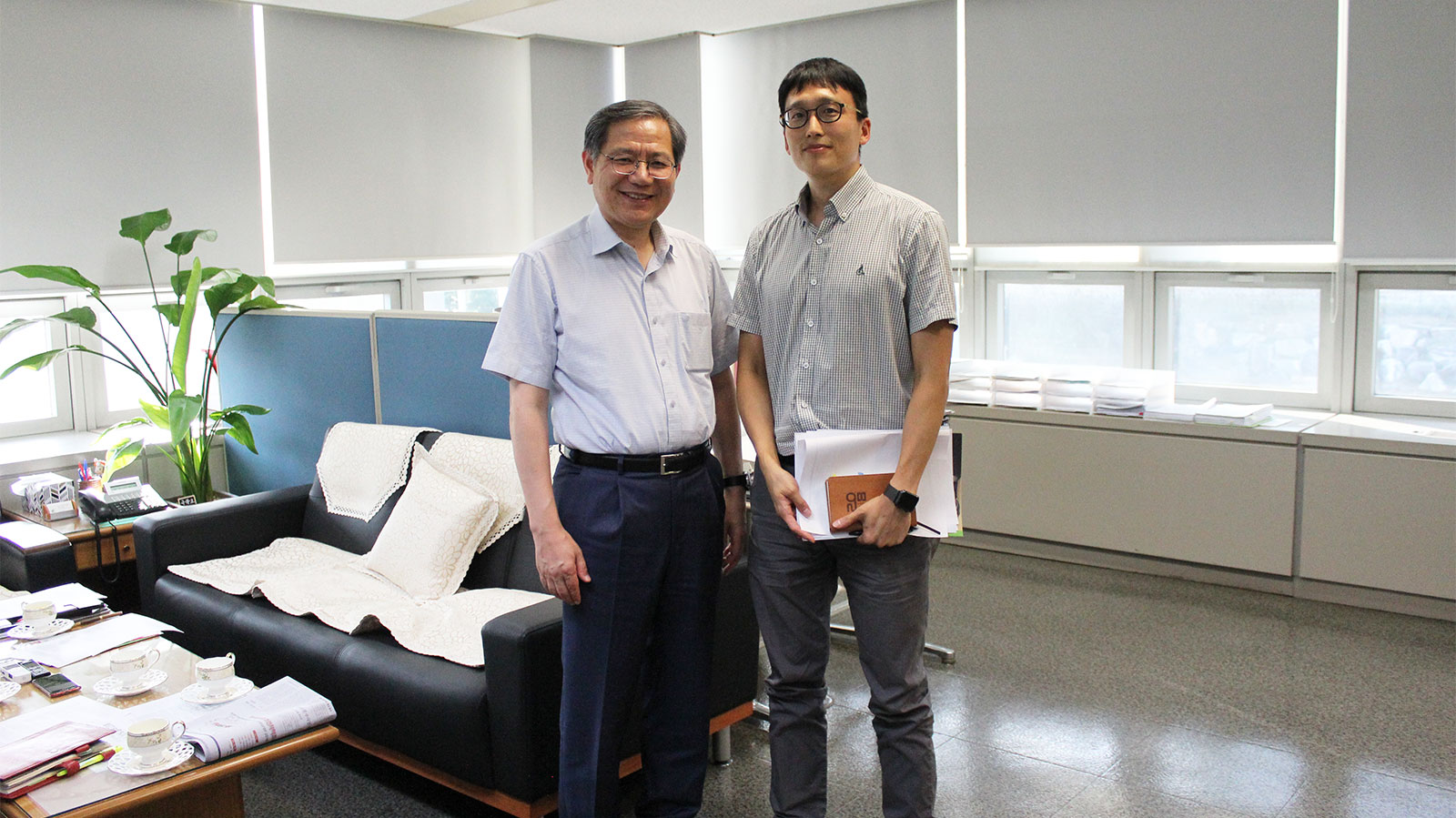
Sungkyunkwan University (SKKU) has a long history. Founded in 1398, it is one of the oldest private universities in South Korea. In 1998, SKKU drafted its first plan called Vision 2010. To transform SKKU from a teaching school to a global research university, they secured continuous funding through a partnership with Samsung. They also actively hire professors who are engaged in global research and have established a holistic research environment to attract outstanding researchers. In 2011, SKKU introduced Vision 2020 and set a goal of coming among the top 50 universities in the world and the top 10 universities in Asia. In this interview with Professor Sungjin Song, Vice-President, Planning and Regulation Division/Professor of Mechanical Engineering and Lim Jaehwan, Section Chief, Office of Strategy, Planning, we tried to understand the secret behind SKKU’s success.
Interviewers: Makoto Yuasa, Ai Kano
Click here for Part 1 of the interview.
Industry–academia collaboration in a win-win situation
Makoto How much importance does Sungkyunkwan University give industry–academia collaboration?
Dr. Song We established SAINT with Samsung. We also started the Graphene Research Center together. Our faculty members know that we have an industry partner, and we keep inviting global companies to our campus. For example, BASF, which is the world’s number one chemical company, has its research center in our campus. BASF was really interested in OLED (organic light-emitting diode) technology. Some of our faculty members are very strong in that area. They visited us to explore the possibility of collaboration. We realized the importance of university–industry collaboration, so we struck a very attractive deal.
We now have some 50 technology and techbiz startups in our campus. Our campus houses the research center for Samsung, Siemens, SABIC (the number 3 chemical company), Kaneka, LS Mtron, and some mid-sized companies. We operated the so-called Business Incubating Center for more than 15 years. Right now, we don’t have space. Other companies are on a waiting list.
Ai What kind of support do you lend the research center for the bigger companies?
Dr. Song Usually, for big companies, they lead the project and we offer support, but for small companies, our professors lead the project and the companies offer support. The professors have incentives in the form of funding benefit and publications.
Makoto Do universities in South Korea proactively reach out to you?
Dr. Song All universities are competing, so everybody wants to invite prolific professors. As I mentioned, some 20 years ago, Sungkyunkwan University was a teaching school and today it’s a research university. We’re now aiming to become an entrepreneurial university, which uses the university’s research and education resources to create values for the economy and society. But it’s difficult for the university alone to achieve this. We need to have industry partners.
Time is of the essence. The lead time from the lab to the market is decreasing, so we need to work together. The norm is for the university to complete its research and then hand over the IP to the industry so that they can start their business. But that’s a long process. A good example of a model to follow is the interrelationship between the number one entrepreneurial university, Stanford, and the entrepreneurial ecosystem offered by Silicon Valley.

Bringing about change in culture
Makoto Apart from Samsung’s funding, what is helping you get a lot of industry income?
Dr. Song The culture. Our faculty members have a strong collaboration with the company. Changing the culture of the university is easy because professors work for an average of only 30 years. But if you don’t do anything, the culture will not change.
Makoto I understand that culture is already established. But if there are people who want to do research for a new start, not for the industry, is it difficult for the university to influence them?
Dr. Song They are professors, so they don’t care. But as I mentioned, collaboration is a buzzword within Sungkyunkwan University and in the Korean industry. The government started encouraging industry–university collaboration in around 2000 to harness the university’s manpower for the industry.
In Korea, those who have the research capability at the global level want to be professors. Over 80% of people who meet this criterion are at universities, while the industry is lacking in this talent. So universities try to incentivize researchers and promote industry–university collaboration. In about 2006 or 2007, Samsung and LG made it big. After that, researchers from around the world flocked to them.
Makoto International outlook has also improved significantly. Sungkyunkwan University offers joint degree programs with more than 30 universities worldwide, including MIT and Peking University, and you hosted the QS-APPLE event in 2012. I saw a poster for International Summer Semester, which targets foreign students. We felt these helped Sungkyunkwan University improve its international outlook score. Can you take us through these and other initiatives?
Dr. Song Our vision is to be a truly global leading university. International outlook is very important for us to be a global university. We left no stone unturned. Right now, we are inviting faculty members who have a global profile and network. Globalization and international collaboration are important characteristics of our university. We are planning other initiatives, but the direction is going to be different. We are looking towards Russia, India, and Africa.

Close collaboration between PR and Planning teams
Makoto We found your English website very user friendly for foreign visitors like us. It has a lot of engaging content such as research stories and a web magazine, and many press releases that you have distributed in English on a regular basis. Which department handles this?
Dr. Song It’s the PR team. They work 27×7. We also have an in-house newsletter called the Sungkyunkwan Times, for which we have dedicated reporters and a team. The PR department provides them with the support they need. The students have complete autonomy to drive this. The university just gives them a platform.
Ai How do you position PR and promotions as a strategy of the university?
Dr. Song We try to advertise our very good research and create a strong brand image. If we want to be a global leading university, the PR department needs to work very closely with the planning department.
Makoto Do you offer researchers support for English writing, research promotion, etc.?
Dr. Song Yes, if they ask for support, we try to provide it within our means. We have limited resources in the PR team.
Lim Chae Hwan Professors are involved at every step and everyone knows that PR is important, so they carry out PR activities themselves and the PR team provides support.
Ai What’s the goal of the activities carried out by the PR department?
Dr. Song They try to find good stories, especially professor’s research and student’s success, and famous alumni. Unfortunately they are too tied up to handle everything from local TV coverage to newspapers and social media.
University ranking does not say everything about the university
Makoto Do you have any views on how your university is doing compared to most Korean and Japanese universities?
Dr. Song To me, university ranking is really important, but I believe that university ranking does not say everything about the university. For example, Japanese university ranking is not as high as we expected but that doesn’t mean that Japanese universities are losing their sheen. The only issue is that the criteria for that evaluation do not capture what Japanese universities are doing.
We have more than five university ranking agencies worldwide and they have different criteria. The most common university ranking right now is the so-called research university ranking. But, as I mentioned, there is a trend towards entrepreneurial universities and different criteria are needed for their ranking.
The most important focus for universities is education and that’s what the ranking of Japanese universities reflects. They are prioritizing what they think is going to be important for the future. They don’t care about the current ranking system. But for Chinese universities, global exposure is very important. They want to be known to the worldwide community, so they care about the university ranking.
Also, the Chinese government invests a lot in their universities. I believe that our university’s rank is going to improve, but it’s not easy. The rank of Korean universities is going to stay stagnant for a while due to the large investment in Chinese universities. But the important thing is that our university has more than 600 years of history. What we are doing is quite unique. We want to keep our values, but that doesn’t mean that we don’t care about university ranking. We also want to work together with our global partners and for this university ranking is important. Even though the university rank does not fully represent the university’s capability, the ranking agencies keep changing their criteria to factor in the needs of the society, so the ranking itself has its own meaning.
Ai Do the aims of being in the top 50 and becoming an entrepreneurial university conflict with each other?
Dr. Song Actually, the ranking of entrepreneurial universities and research universities is the same. The number one entrepreneurial university is Stanford, which is always in the top 5.
Makoto Does your university face any challenge right now or is there any big project you have in mind which, again, may help improve the rank?
Dr. Song Sungkyunkwan University tries to make every effort to be the global leading university in terms of research. But the students are the number one priority, so we are making efforts to emphasize the success of our students. That doesn’t mean we don’t do research, but when we do, we are going to think about our students. We are not going to conduct research to create a highly cited paper. We will do it to make our students become the next-generation researcher. We are going to engage in industry–university collaboration not for the industry income but to nurture the CTO and CEO of the next generation. We need to nurture talented people who can drive changes. That’s what a truly global leading university does.
Executive Vice President Dean of SKKU Institute for Convergence Professor, Mechanical Engineering
Sungkyunkwan University (SKKU) Suwon, KoreaProfessor Sung-Jin Song received a B.S. degree in Mechanical Engineering from Seoul National University, Seoul, Korea in 1981, a M.S. degree in Mechanical Engineering from Korea Advanced Institute of Science and Technology (KAIST) in 1983, and a Ph.D in Engineering Mechanics from Iowa State University, Ames, Iowa, USA in 1991. He has worked at Daewoo Heavy Industries, Ltd., Inchoen, Korea for 5 years from 1983. He has worked at Chosun University, Gwangju, Korea as Assistant Professor for 5 years from 1993. Since 1998 he has been at Sungkyunkwan University, Suwon, Korea and is currently Professor of Mechanical Engineering.Currently, He is serving as Executive Vice President and Dean of SKKU Institute for Convergence, Sungkyunkwan University. He has served as Vice President for Planning & Budgeting, Dean of College of Engineering, Director of Center for Innovative Engineering Education, and Director of Sungkyunkwan University Hub Center for Innovative Engineering Education, Sungkyunkwan University. He has also served as the Founding President of Korea Association for Innovative Engineering Education and Vice President of Korean Society for Engineering Education.
“You can change the university culture in 20 years” – How a historical Korean university transformed from a teaching school to a global research university (Part 1)
Sungkyunkwan University (SKKU) has a long history. Founded in 1398, it is one of the oldest private universities in South Korea. In 1998, SKKU drafted its first plan called Vision 2010. To transform SKKU from a teaching school to a global research university, they secured continuous funding through a partnership with Samsung. They also actively hire professors who are engaged in global research and have established a holistic research environment to attract outstanding researchers. In 2011, SKKU introduced Vision 2020 and set a goal of coming among the top 50 universities in the world and the top 10 universities in Asia. In this interview with Professor Sungjin Song, Vice-President, Planning and Regulation Division/Professor of Mechanical Engineering and Lim Jaehwan, Section Chief, Office of Strategy, Planning, we tried to understand the secret behind SKKU’s success.
Interviewers: Makoto Yuasa, Ai Kano
Team structure and the story behind improving the THE ranking
Makoto What is your role and what does your department do?
Dr. Song I am the Vice President for Planning and Budgeting. I am in charge of planning for the university’s growth in education and research and industry–university collaboration, as well as branding activities. I am also in charge of planning the investment needed for growth. The public relations team falls under me.
Makoto Most of the press releases we saw about Sungkyunkwan University’s ranking, some calling it the number one private university in Korea, had your quote. Is it fair to assume you were responsible for improving the THE rank?
Dr. Song Actually, Lim [Chae Hwan] works on the ranking. At the Vice President level, I am responsible for that.
Lim Chae Hwan I am in charge of data analytics and analytics about rankings, but it’s just a small piece. There are other pieces like brand image and public relations, which are handled by other teams.
Dr. Song With the criteria established by university ranking agencies, it is not possible for just one team or person to handle everything. This is a university–wide effort. We have four teams: for planning, budgeting, public relations, and carrying out quantitative analyses of university data.
Makoto You have really improved the THE university ranking in the last 5 years. In 2012 or 2013, it was ranked 201–225. Now, it’s 111. That’s a big jump. This improvement has been consistent over the last 5 years and across all the metrics, including teaching, research, and citation.
Dr. Song We have a so–called university vision, a 10–year development strategy. We established our first vision plan—Vision 2010—in 1998. Samsung offers us financial support. They joined the university in 1996. Right after that, we agreed that we were going to transform Sungkyunkwan University from a teaching university to a research university. All our efforts were directed at nurturing and educating our students, but we were not concerned about creating new knowledge through research.
We want to be the leading research university worldwide. So, from 1998 to 2010, we just laid the foundation, a solid springboard, and in 2011, we rolled out Vision 2020. When we established that vision in 2011, we set our goal as a truly global leading university. We set a goal for coming in the top 50 universities in the world and top 10 universities in Asia.
Also, Samsung invested a lot of funds. Samsung supports us a lot in carrying out our plans in specific areas. I think that’s the main driving force for our growth.
Makoto Your focus has shifted from education to research and now to world–class research. That must have been very challenging to execute. How did you push for growth and motivate people to execute the vision and plan?
Dr. Song As you can imagine, to transform from a teaching school to a research university, you need to have faculty members who are capable of carrying out global–level research. So, right after we announced Vision 2010, we tried to recruit faculty members who have done research at the global level. We recruited many good professors. We are continually expanding our pool of good faculty members. About 10 years ago, in around 2011, we had 1250 faculty members. Today, we have about 1450. About 12% are international faculty members. We try to hire Korean scholars who collaborate frequently at the international level. We first create an environment where people from different cultures feel welcomed and then invite international faculty members. The reverse doesn’t work.

Attracting researchers
Makoto Did you recruit aggressively? Or did you run programs that invited researchers to apply for positions and threw in benefits like a good salary and lab facilities?
Dr. Song We did everything you mentioned. If you are a really good researcher, you have the option of going to a renowned university. Why would you choose Sungkyunkwan University? There should be some incentive for coming here. I think Sungkyunkwan University offers a great research environment or research vehicle. We try to implement research hubs in strategic areas such as nanotechnology. We established SAINT, the SKKU Advanced Institute of Nanotechnology, which offers a holistic environment for nano-researchers. Samsung aids us with this. The monetary aspect sometimes is not that important. What matters is the research environment that allows you to produce results that have a global impact. SAINT was established in 2005. Before that, in 2000, we established the Academy of East Asian Studies.
As you know, Sungkyunkwan University has a 620–year–old history. Sungkyunkwan was the Royal Academy, and every scholar and national officer in the Joseon Dynasty had to graduate from Sungkyunkwan to become a national officer. We have two campuses: in Seoul and in Suwon. In the Seoul campus, we established the Academy of East Asian Studies as the research hub. There are no economic benefits, but this is our heritage, so we cannot just ignore that.
Lim Chae Hwan This is like keeping their identity as the oldest higher education organization in modern history. When Samsung tried to invest in the university, the history of the university is one of the factors they considered.
Research hub and long relationship with Samsung
Ai Apart from nanotechnology, is there any other research hub?
Dr. Song After implementing the nano hub in 2005, we established the bio and ICT hubs. Right now, we have the nano–bio–info [nanotechnology, biotechnology, information technology] in the Suwon campus. They largely cater to the natural sciences, and in 2000, we established the Academy of East Asian Studies. Right now, we are trying to establish ACT (art, culture, and technology convergence).
Makoto Let’s talk about your association with Samsung.
Dr. Song We have a long history with Samsung. We first collaborated with Samsung in 1996. Samsung’s chairman Lee Byung-chul also served as the chairman of the Sungkyunkwan University Foundation. He practiced Confucianism. He understood the value of education, research, and the beauty of Confucianism. From 1956 to 1978, Mr. Lee lent his support to Sungkyunkwan University. Then, we parted for about 20 years.
Investment is crucial for a university’s growth, but the students are poor, so only relying on their tuition is not easy. When Samsung became an established company, they wanted to conduct CSR activities. They decided to lend their support to the university again. They also wanted to have a social impact through their collaboration with the university.
Lim Chae Hwan Giving back to society. Education is important to secure the future of this country, so big companies like Samsung try to contribute resources to many universities.
Dr. Song Samsung donated a library to Sungkyunkwan University, which we now call the Samsung Library. They’ve also donated libraries to Yonsei University and Korea University. Also, Samsung is too big, so we can’t help them directly. But the university has autonomy and we can afford to take the kind of risks that Samsung cannot.

Improving the citation score – Expanding the pool of core faculty members
Ai Do you think the improvement in the citation metric is because of your success with recruitment? Also, after the change in management structure, how are you motivating the people who were previously associated with the university to start contributing?
Dr. Song If you know the university, you will realize it’s not possible to push professors. However, if we establish a strong research environment and hire really capable professors with research capabilities, they end up collaborating. For example, in SAINT (the nanotechnology hub), we invited nano–researchers from all over the world, including Professor Sumio Iijima from Japan and Professor Michael Grätzel from Switzerland. They now collaborate. We try to not only recruit our own faculty members but also facilitate collaboration among the world’s leading researchers.
Makoto Your citation score in THE has drastically improved in the last 5 years. Were there concerted efforts towards this or did it just happen?
Dr. Song We try to establish research hubs in an area that’s currently hot, for example, nanotechnology, biotechnology, and ICT. We try to recruit top faculty members, what we call the core faculty. Right now, they form about 8% of the faculty members, but we want to increase it to 10%. One of the criteria to become a core faculty member is that they need to be highly cited. Last year, we had a high-profile researcher called Park Nam-Gyu selected by Clarivate Analytics. We recruited him in 2009. We recruit really capable people, and we have had three highly cited researchers selected by Clarivate Analytics—the highest among any university. Our recruitment department is constantly seeking out highly cited researchers. If they find someone, they inform the department and contact the researcher.
Ai How does the planning department get all the information to decide which research area will be the next big thing?
Dr. Song There’s actually no way to predict this. We just do our best. For example, if you knew something is going to be the next big thing but you don’t have any people in that area, what are you going to do? Recruiting is not easy. You just need to move on to something for which you have the capability.
Click here for Part 2 of the interview.
Executive Vice President Dean of SKKU Institute for Convergence Professor, Mechanical Engineering
Sungkyunkwan University (SKKU) Suwon, KoreaProfessor Sung-Jin Song received a B.S. degree in Mechanical Engineering from Seoul National University, Seoul, Korea in 1981, a M.S. degree in Mechanical Engineering from Korea Advanced Institute of Science and Technology (KAIST) in 1983, and a Ph.D in Engineering Mechanics from Iowa State University, Ames, Iowa, USA in 1991. He has worked at Daewoo Heavy Industries, Ltd., Inchoen, Korea for 5 years from 1983. He has worked at Chosun University, Gwangju, Korea as Assistant Professor for 5 years from 1993. Since 1998 he has been at Sungkyunkwan University, Suwon, Korea and is currently Professor of Mechanical Engineering.Currently, He is serving as Executive Vice President and Dean of SKKU Institute for Convergence, Sungkyunkwan University. He has served as Vice President for Planning & Budgeting, Dean of College of Engineering, Director of Center for Innovative Engineering Education, and Director of Sungkyunkwan University Hub Center for Innovative Engineering Education, Sungkyunkwan University. He has also served as the Founding President of Korea Association for Innovative Engineering Education and Vice President of Korean Society for Engineering Education.
Trusted advisor: Using experience and expertise to bring about change in the University of Bath
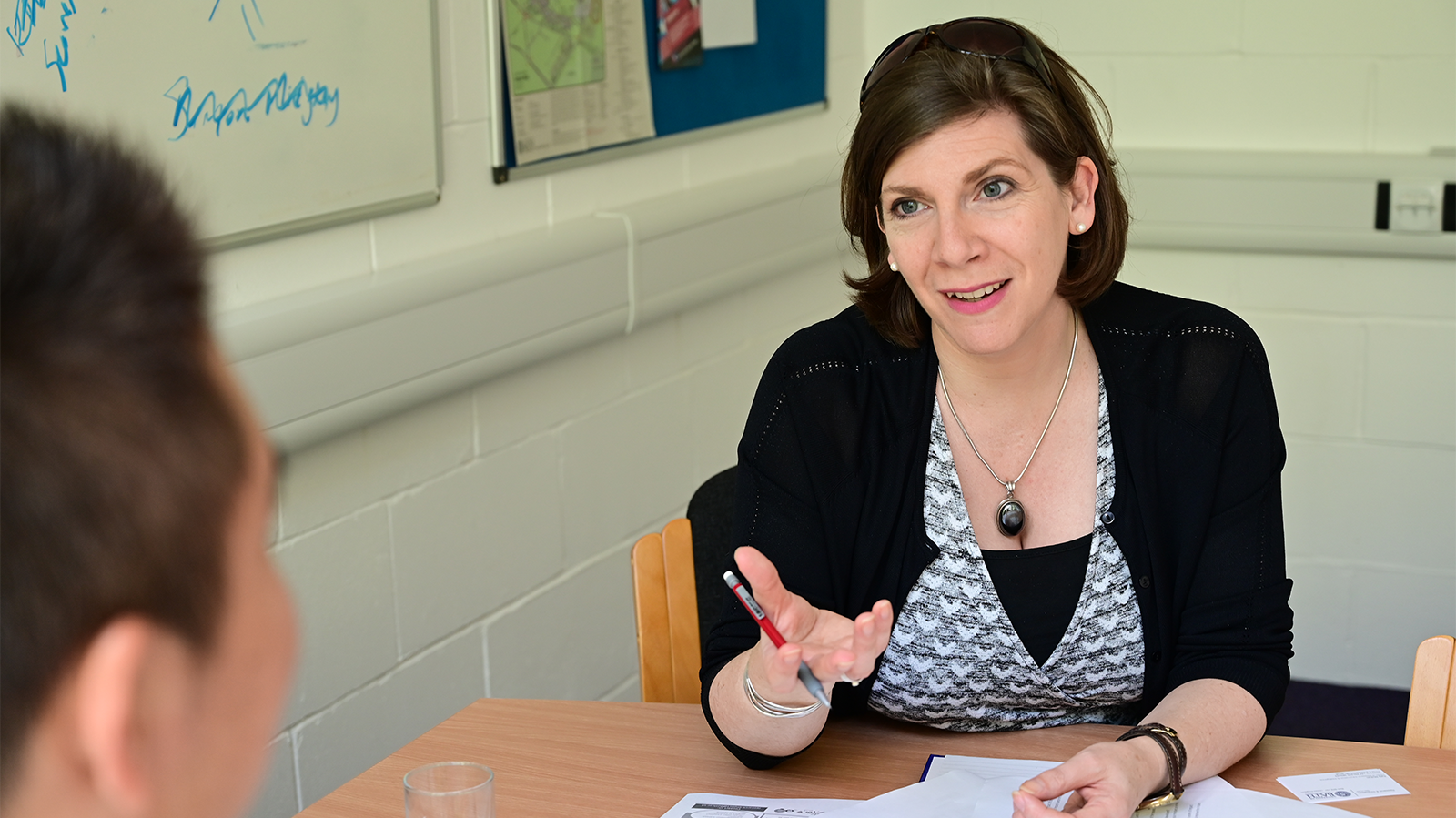
Interview with Katy McKen, Head of Information and Impact, University of Bath
Making the best of limited resources
The university has a number of people in a wide range of roles supporting research impact—from REF case studies, and building evidence to show impact. The Impact and Research Development Managers help researchers write their applications and identify activities they can undertake to
achieve impact. The Public Engagement Unit nurtures a positive culture of high-quality public engagement with research. The Institute for Mathematical Innovation helps industry understand the value of mathematics in addressing their problems. There’s also an Institute for Policy Research
supporting engagement with policymakers. The press team plans media coverage of research and tracks mentions in press articles. They also have a research information system at the university, called Pure, which is used by the researchers to record impact.
Each academic department has an impact director, whose job is to support researchers in thinking about impact as part of their research, including offering guidance around impact funding and signposting to appropriate professional services staff. The RIS team has also created a network of impact directors to facilitate the sharing of best practices across the university. McKen describes this as “making the best of limited resources and maximizing shared learning and shared expertise.” She considers impact as a university-wide collaboration and believes it’s the only way it can work.

Building excitement around impact
McKen says that putting together an REF submission is challenging work. McKen was a panel advisor after REF 2014, an experience she really enjoyed. She worked with the panels doing the assessment for about a year. She wanted to bring that experience and learning back to Bath for REF 2021 and wants to create a strong support infrastructure for researchers. “Our academics are under tremendous pressure to be brilliant teachers, fantastic researchers, superb administrators, and have impact. My team is trying to take some of that pressure off them and make the REF elements easier. It is a massive exercise. I hope we’re sort of taking some of the pain out of that by giving them that support. That’s why I enjoy the job,” McKen says.
How public relations and impact is different, and tracking change on the ground
McKen worked on a couple of public engagement-type case studies last year. She says that those can be the most challenging because it’s very difficult to show impact. Some of the researchers at the university are very prolific and engage with the media quite often. But, according to McKen, impact is how you demonstrate that something has changed.
McKen gives another example of a study on working with groups that support families affected by terrorist attacks. Initially, the evidence of change was limited and focused on media coverage rather than what was different. McKen and her team worked with the academic over a number of months and together were able to build a strong case study. They were able to show that some of these support groups changed the way they were working with families because of the academic’s work with them.
McKen feels that public engagement has a very important role in achieving impact. But collecting evidence to show that it has made a difference is difficult.

Research culture change thanks to REF
The university runs a training program for all new lecturers at the university. It covers everything from PhD supervision to teaching. It includes a session about impact as part of that research and training element. But the biggest change McKen has seen is with people’s awareness about what research impact is and what it means. “It’s really important that people don’t think that everybody has to have a REF impact case study and that impact needs to be achieved tomorrow,” McKen says.
She adds, “We would like everybody to think about the potential impact of their research—Why are you doing it? What’s the problem? What’s the real-world challenge you’re trying to address? The impact might be seen 50 years down the line, and that’s okay. But it’s important to consider these points. You may actually improve your research, because you can engage stakeholders earlier on that might lead to changes in the research questions or people you can get on and a project steering group.”

Profile
Katy McKen, Head of Research Information and Impact
Katy is responsible for making sure information about the university’s research is accurate, accessible, and effectively used. Katy also leads the operational planning and program management of the university’s submissions to national assessments of research and enterprise. These include REF 2014 and the Higher Education Business and Community Interaction Survey (HEBCIS).
Before joining the Research and Innovation Services (RIS) department, Katy was the Centre Manager at the Centre for Research in Strategic Purchasing and Supply (CRiSPS) in the School of Management. She managed the Centre’s portfolio of research and education. In 2014, Katy was seconded to the Higher Education Funding Council for England (HEFCE) as Panel Advisor for REF 2014’s assessment phase.
An army of two: Partnering to bring about impact awareness and culture change in LSE
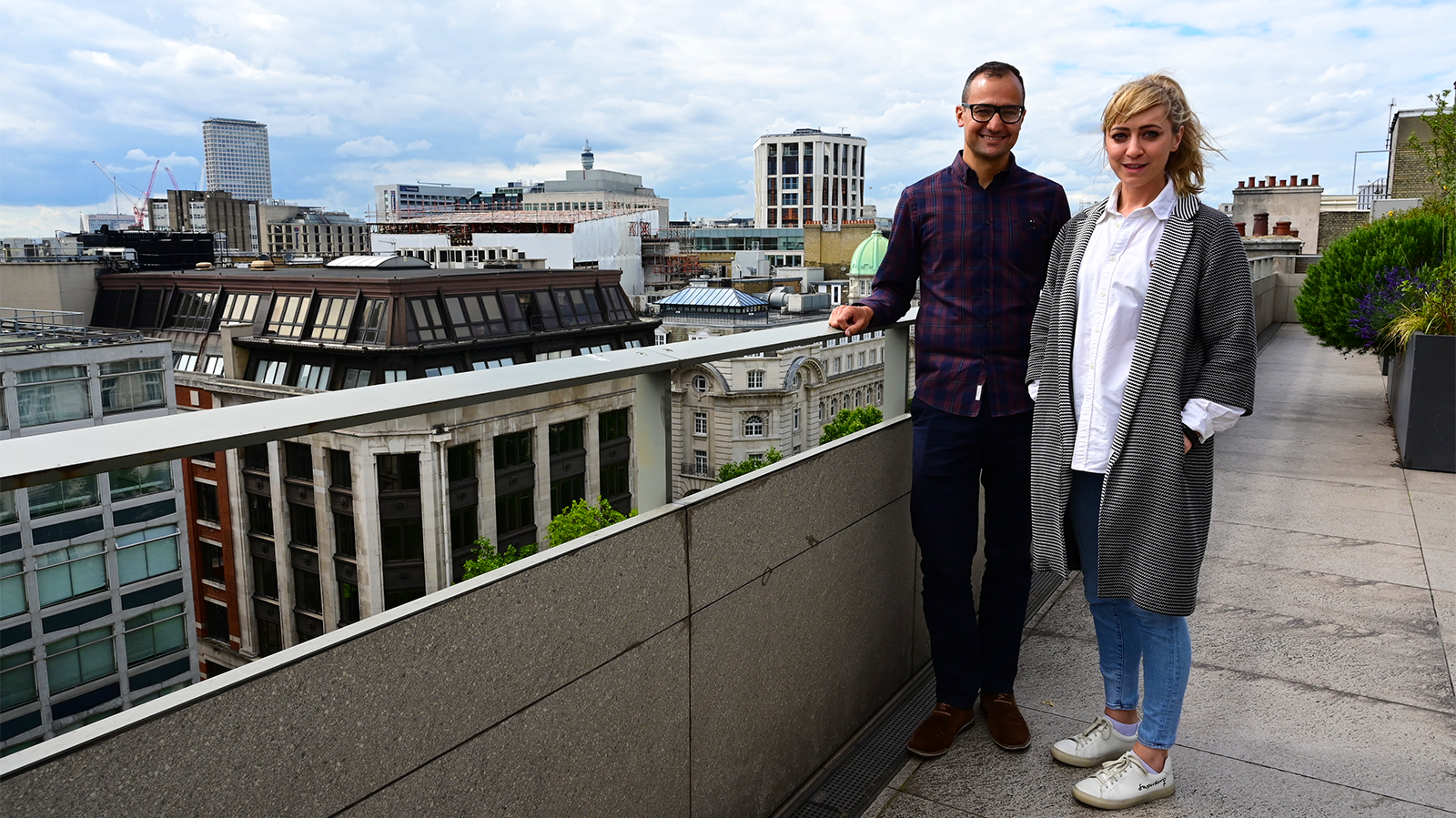
Interview with Rachel Middlemass, Research Impact Manager, and Kieran Booluck, Impact Support Manager, London School of Economics and Political Science
“Just the two of us”
The impact team at LSE comprises only Middlemass and Booluck. “It’s just the two of us in the team and we do similar work,” clarifies Middlemass. “Both of us talk to academics about their impact and help them write that up in case studies. Apart from working with individual academics, we typically work with the research impact coordinators within departments and centers. We also report to the School’s REF Strategy Group and coordinate their input to developing case studies for the REF.”
Pushing for more information
When asked what kind of qualifications or personality make one a good fit for the impact manager role, they clarify that you don’t need a research background. “You’ll be a good fit as long as you have a broad understanding of and interest in research, and your mind is open to the many different ways that research can have a demonstrable effect on the economy or society,” Booluck says. Middlemass adds, “You also need to have some people skills. You spend a lot of time asking people endless ‘so what’ questions! You have to constantly push for more information without alienating or annoying your academic colleagues. It definitely helps to be genuinely interested in their work.”

Picking stories that deserve attention
LSE allocates a “fairly significant amount” of funding to support impact–related projects; contributing to decisions about the allocation of these funds is also part of Middlemass and Booluck’s job. The knowledge exchange projects that LSE supports can be great sources for future REF case studies, but there’s no set way of “unearthing” impact. A lot of their understanding of the impact of LSE research comes through conversations. “We rely heavily on conversations with researchers. There’s no automatic notification of impact having happened, so we rely on having sources of intelligence within departments,” Booluck says.
Middlemass adds that they also scan the news for mention of research conducted at LSE to give them a sense of whose work is being discussed, and they try to remain aware of major impact plans in current and recent grant applications. “If somebody thinks they might have a case study, we go and sit down with them for an hour and talk to them about what they’re doing. We’ll discuss their research, who they’re currently talking to, maybe help them think about other people that they could be talking to, if that’s the right sort of stage of development. Then we’ll write all that up for them and send it back to them, and that’s the start of what can be quite a long, iterative process of developing a really good impact story,” says Middlemass.

The challenging task of bringing about culture change
Middlemass and Booluck have the not-so-easy task of facilitating culture change—essentially changing the way people think of research impact. “Part of our job is to help make people care about impact where they didn’t before,” says Middlemass.
Impact case studies submitted to REF2014 demonstrated that impressive impact wasn’t confined to research-intensive institutes. “Excellent impact is being delivered by universities of all types, and some of the less research-intensive places have really great traditions of partnership with non-academic groups and organizations,” says Booluck.

Profile
Rachel Middlemass, Research Impact Manager, London School of Economics and Political Science (LSE).
Rachel Middlemass joined LSE as Research Impact Manager in 2014. Her role involves providing support for the delivery, documentation, and evidencing of research impact.
Middlemass’s stint with research impact began in 2011 at University of East London where she was the Research Impact Coordinator. She was simultaneously working on her PhD degree from the University of Nottingham. In 2012, she joined University College London (UCL) as Senior Editorial Consultant where she managed the Research Impact Curation team that helped departments across UCL develop case studies of research impact for REF2014. She also helped develop new tools and processes to store and search for examples of research impact.
Kieran Booluck, Impact Support Manager, London School of Economics and Political Science (LSE)
Before taking on the role of Impact Support Manager at LSE in November 2018, Booluck was editor of the LSE Impact Blog, which publishes on topics related to academic research, scholarly communications, and research policy and evaluation.
Booluck comes with an academic publishing background. Before joining LSE, he was at Emerald Group Publishing, where he was responsible for the editorial development and profitability of academic journals. He previously played a key role in the launch of Emerald’s new journals, from market research to training of editorial teams to creating proposal collaterals.
Putting it all together – The “first lady” of research impact
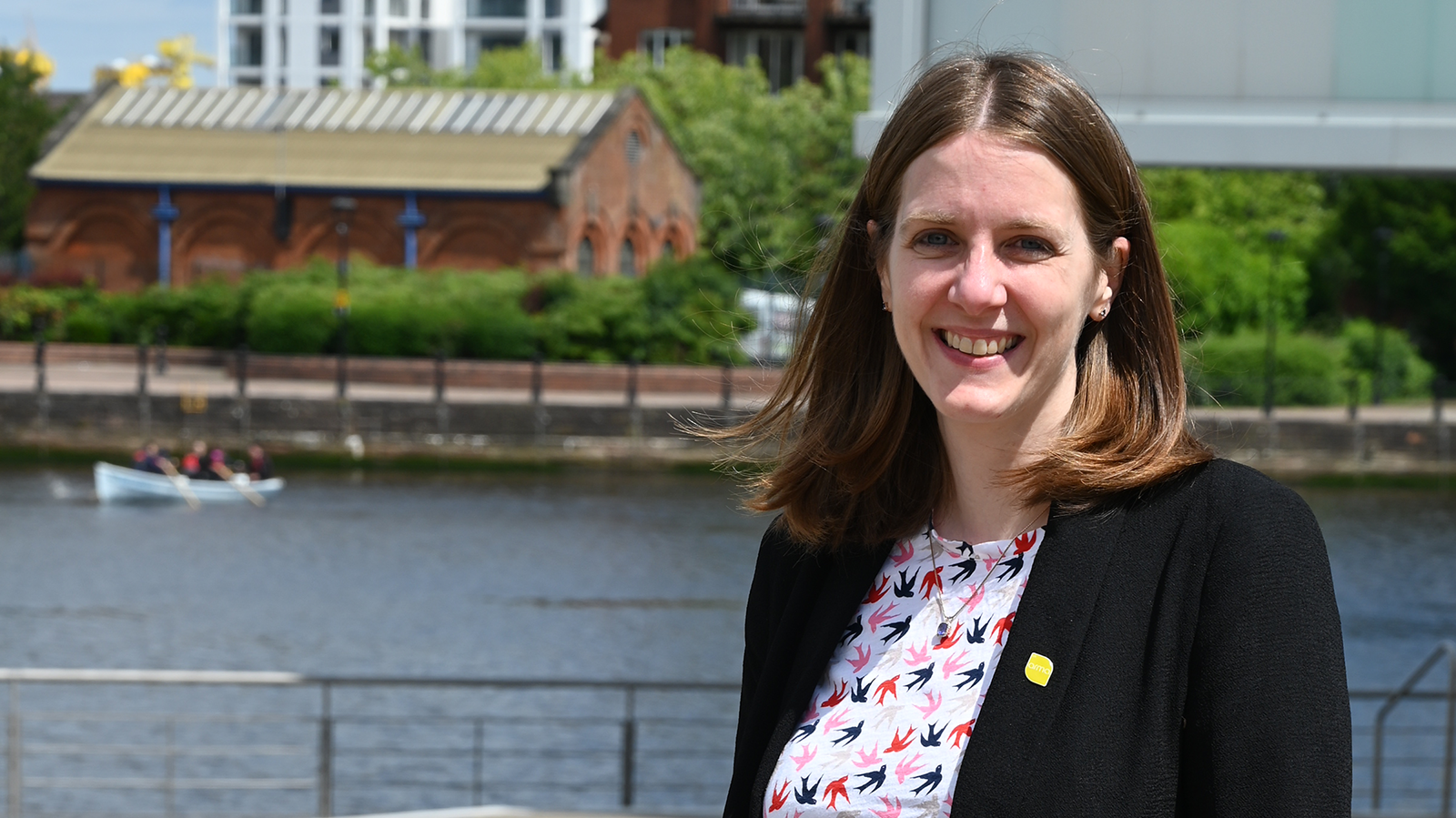
Interview with Jo Lakey, REF Delivery Director, King’s College London
Diverse backgrounds add value
Jo Lakey explained that King’s College does not have an impact office. Lakey manages a team of five impact leads who work with the faculties and departments to get the impact case studies prepared. They are also responsible for making sure people are aware of impact and for putting together training and making resources, including a helpful website, available to people.
The team is made up of people from diverse backgrounds—from biological sciences to arts and humanities. Two people have a PhD and have worked as postdocs. “I think having a doctorate can give them an academic credibility and it means they already speak the language of research,” Lakey says. The work experience helps as well. One of the team members has been working for a company that makes an impact tracker software and has a thorough understanding of the technical aspects of building a case study and evidencing. Another had been working in the fundraising team at King’s College and came with a lot of experience in talking to academics about what they’ve been doing. One person worked in museums as a science communicator and is very experienced at public engagement. “We don’t hire people based on their subject area—at least we never thought of using that as a criterion—but they do need to have some experience in research support,” Lakey clarifies.

Changing the “I-don’t-have-impact” attitude
Lakey was a part of the REF pilot while at Brunel University London. Once the pilot was over and it was decided that impact assessment was going to be included in REF2014, Lakey and her colleagues spent a lot of time educating people about it. “Nobody knew what it meant,” Lakey says. “We had many information sessions in the university, talking to the different faculties, schools, and academics and explained what it was, what it meant, how it worked.”
Almost everybody that Lakey talked to initially thought that their research didn’t have an impact and hence had nothing for an impact case study. “It’s only when we started discussing their research did we realize that it had some impact. They are just not thinking about it in those terms,” Lakey says. Some researchers also argued that it was difficult to measure impact in their discipline. Helping the researchers understand that they need to actively think about impact was a challenge that Lakey and her team had to face.

Keeping a record of impact
Lakey tells us about one impact case study she encountered at the Institute of Education, where she worked in 2013. Since the beginning of the project, the research team had kept every single piece of paper on the impact the research had. “They had news articles, testimonials, letters, copies of policy documents that cited them, and a huge stack of evidence! This made it easy to put together the case study. It’s great when someone has kept a track of things!” Lakey says enthusiastically.
Lakey has also encountered scenarios where the researcher is aware that the research has made an impact but hasn’t kept a track of anything and has no evidence whatsoever. “You can’t tell what kind of impact the research has had after the paper got published. But I’m pretty sure that that it has had some impact,” Lakey says.

Profile
Jo Lakey, REF Delivery Director, King’s College London.
As the REF Delivery Director at King’s College London, Jo Lakey is responsible for ensuring that all REF submissions are thorough and ready by the deadline.
Jo Lakey completed her MBA in Higher Edu-cation Management from the UCL Institute of Education in London in 2010. In the last 17 years, she has acquired extensive ex-perience working in higher education and, more specifically, in research impact. She spent around 3 years as Research Impact Manager in Brunel University London. She thinks that she was the first university impact manager in the UK and participated in the pilot project that eventually led to the nationwide rollout of REF. Her expertise lies in Research, Higher Education Policy and Governance, Academic Administration, Staff Development, and Data Analysis.
Breaking down the wall: Helping academics see the benefits of their research outside of academia
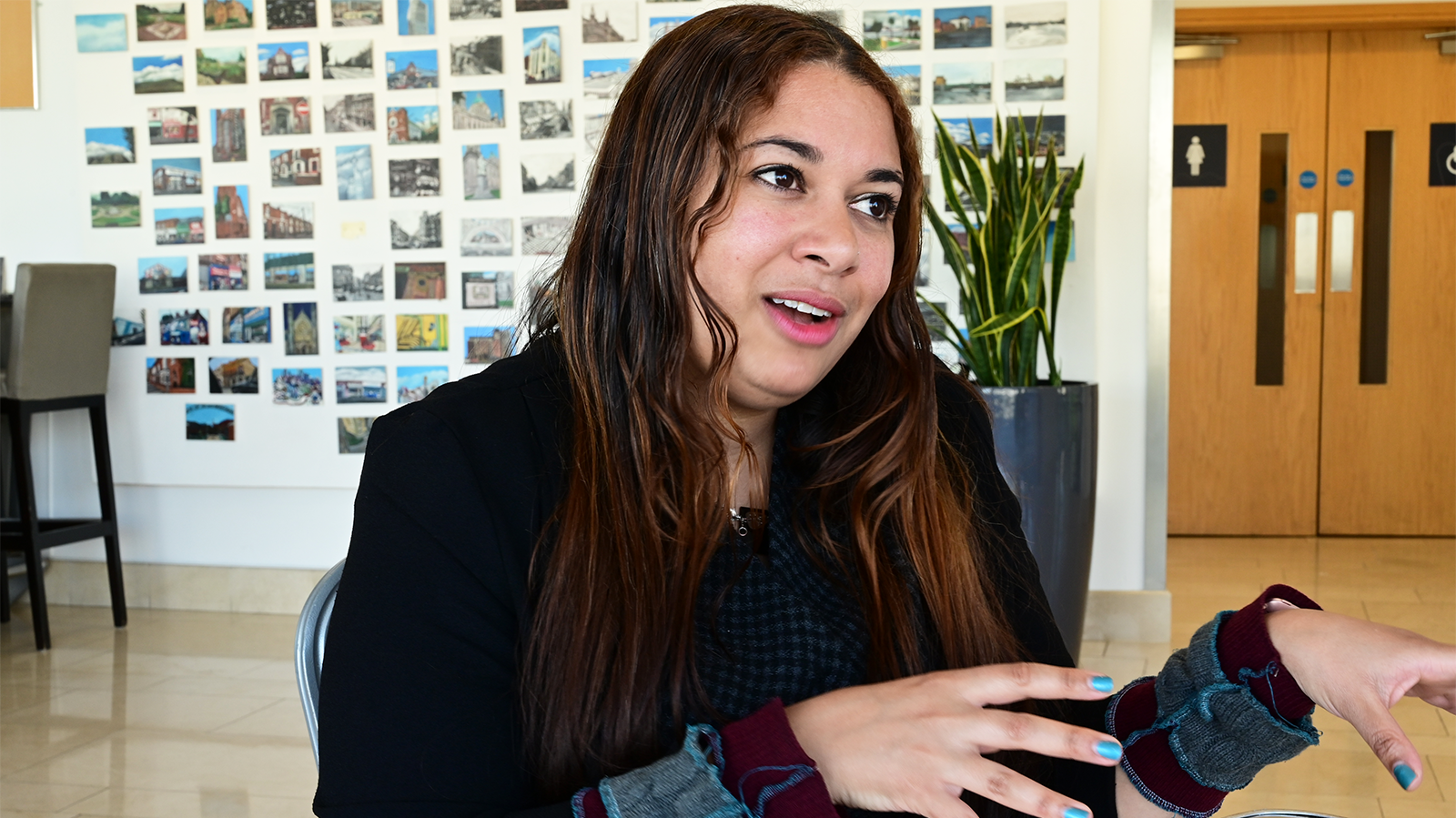
Interview with Natalie Wall, Research Impact Manager, Queen Mary University of London (QMUL)
Investing in a strong impact infrastructure
When Wall joined QMUL, she observed that it had a well-structured system for Impact Management. “I really liked the way Queen Mary is set up and it’s different than the other universities. Most universities are not set up to that degree where you have impact at every single level,” Wall says.
QMUL’s Impact Team comprises, in addition to Wall, one Deputy Vice Principal for research impact (academic role) and three Impact Officers delegated to each faculty. Each faculty also has one Deputy Dean for Research Impact who works closely with the Impact Team. There are many Professional Services teams supporting impact outside of the Impact Team.
QMUL conducted two mock exercises to assess the quality of case studies. It’s evident that QMUL has invested a lot in building an impact infrastructure and a strong network, and Wall is hopeful that this will help the university stand out in upcoming assessment cycles.

The problem of supply and demand
Wall explains that there is no dearth of jobs in impact. This would not be surprising considering the importance universities need to give to this new area and the time and effort that needs to be invested in making the impact submissions worth anyone’s time. “If you look at impact jobs, there’s a ton out there at the moment, but there are not enough people to fill them because it’s so huge. You’ve got to think about what skills you need,” Wall says.
What kind of skillset does an impact officer need? According to Wall, apart from writing, interpersonal and communications skills are crucial. “You need to be able to talk to people because you’re asking people to adapt to new things,” Wall says. She explains that impact is going beyond researching and educating. It’s also important to have an understanding of research culture, and having a research background helps.

Bringing about culture change
Wall felt that an Impact Officer’s job is to make people care about impact. “We bring about culture change. You go into an institution and change the way people think about research,” Wall says.
She adds, “Impact is happening at many non-research-intensive universities too, because they think about research differently. And that is where they are really able to shine. It was amazing to see all those different types of universities doing amazing impact work even if they’re not in the top in terms of research. I think that’s where I find it kind of heartwarming that impact shows how you can be really good at some things, that you have really good relationships, and you just care in different ways. And your university might operate in a different way. It might not always show in the form of four–star output, but it’s going to show in your impact.”

Profile
Natalie Wall leads a team of Impact Officers at Queen Mary University of London (QMUL) that support and embed research impact culture across the university. Her team works with the Deputy Vice Principal (Research Impact) to help academics see the benefits of their research outside of the academic context.
Wall got her Master of Arts degree and later her PhD in English Language and Literature/Letters from the University of Calgary. For over two years, she worked as the Impact Achievement and Assessment Officer at Middlesex University before moving to QMUL in 2018.
Has the impact agenda changed the culture of UK universities?
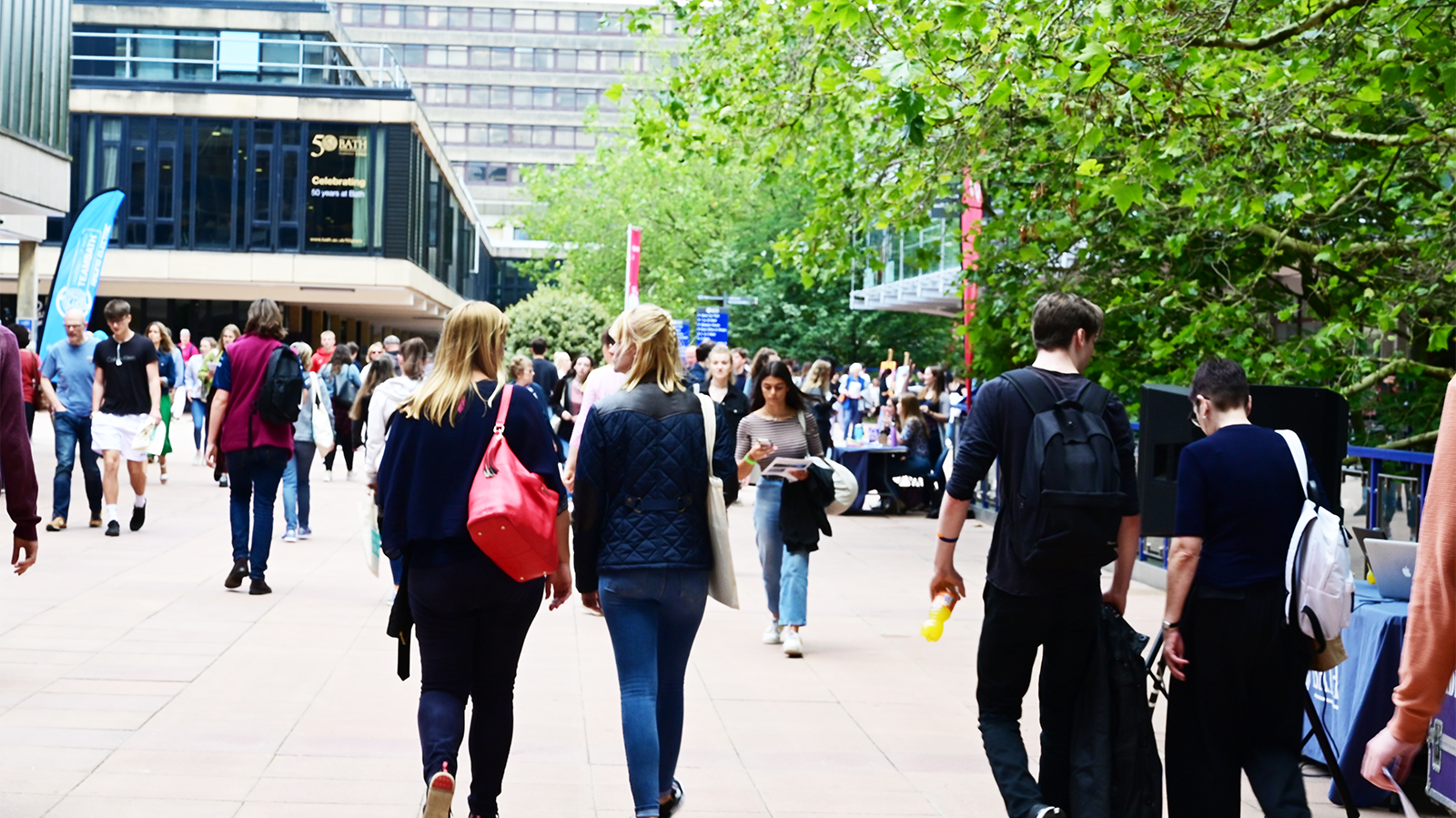
William Gibson wrote that “The future is already here — it’s just not very evenly distributed.” This is certainly true of the future envisaged by the architects of the impact agenda. While impact has now become firmly established in the lexicon of UK academia, the extent of the culture change within universities in terms of supporting and promoting impact varies greatly from institution to institution.
The formal assessment of research impact in REF 2014 was intended to spur universities into taking the non-academic impact of their research more seriously: to put greater effort into knowledge transfer, engagement with external partners, and influencing society and the community through their research. The short-term effect was a combination of hostility and panic: hostility, because many academics feared they were being pushed towards commercializing their research or objected to the sentimentalization of their work, and panic, because universities had to come up with case studies in a short period of time and had not been gathering evidence of impact as it occurred because there had been no requirement to do so.
For REF 2021, the impact case study approach has been retained. However, the institutional context is quite different. Universities have known about the requirement for impact case studies from the very beginning of the REF cycle. They have had time to plan strategically how to achieve impact and how to support impact-related activities. They have had the opportunity to hire staff and put into place support structures and funding streams for impact. Academics have had time to become familiar with the concept of impact and build it into their research project planning. Everyone is aware of the need to gather robust evidence of impact as it occurs and support impact case studies.
Last year I published a white paper, “The Evolution of Impact Support in UK Universities,” which examined whether the culture change that the impact agenda was supposed to usher in has in fact materialized. So far, it appears that this has been partially successful, with the establishment of impact support within university professional services.
In general, there has been a trajectory from ad hoc impact support with no specialist posts, to (usually) a single impact officer, to a full structure of impact support. Although simplistic, one significant point does arise from this model: the first transition, from ad hoc support to an impact officer, is driven from the top down, as senior management recognize the need for dedicated impact support, particularly in the context of improving their university’s REF submission. The second transition, on the other hand, is driven from the bottom up, as the single impact officer appreciates and articulates the need for a more comprehensive and integrated approach to research impact. Conferences and workshops play a crucial role here, in establishing the shared understanding of impact within a community of impact professionals. The willingness of academic leadership to consider seriously the concerns and informed perspectives of professional support staff is a major factor in whether a university makes that second transition.
There has also been a real shift in academic culture as a result of the impact agenda and the efforts by impact support staff to achieve institutional success in terms of that agenda. This culture change is not uniform – some academics still misunderstand impact, some are apathetic to it, a few are hostile, but across institutions, the bulk of academic researchers are now engaging with research impact in a way that they did not back in the days of REF 2014. This is not to say their reasons and motivations are uniform: some are motivated by public good, some by enhancing their research, some by career incentives, but nonetheless the cultural shift is real. However, it is difficult for many academics to find sufficient time to pursue the impact of their research, given their other teaching and research commitments.
In addition to hiring staff and making use of internal resources, universities can also buy in impact support from the commercial sector. A clear message for anyone providing support to universities for impact activities is that this support should engage as deeply as possible with the research, should as far as possible be embedded in the research project, and should ensure that it enhances the substance of the research impact and of the evidence of its reach and significance.
The need for evidence and evaluation support remains a real gap in provision in most institutions. This kind of work is both time-consuming and specialized, particularly when it comes to impact arising from less easily measured routes such as public engagement. This is an area where higher education lags behind other sectors, in particular local government and the charity sector, where rigorous evaluation is commonplace. Whether universities seek to develop internal specialist support in this area or whether they contract this expertise as needed, there is a clear message that more needs to be done to collect evidence and evaluate impact.
Fundamentally, the willingness of senior leadership to invest in impact and to see it as an integral part of research is the key factor in the level of impact support in universities. Certainly, comprehensive impact support requires investment, and that must be justified. However, given the many millions of pounds of research funding that are dependent upon achieving a strong impact performance in the REF, not to mention the many wider benefits of impact to researchers themselves as well as the wider world, it may seem surprising that greater priority is not given by some universities to providing stronger support for impact. The results of REF 2021 may provide them with additional incentive.
“The Evolution of Impact Support in UK Universities” by Iain Coleman can be downloaded from the Impact Science website at https://www.impact.science/ref-2021/
Q&A with University Impact Officers
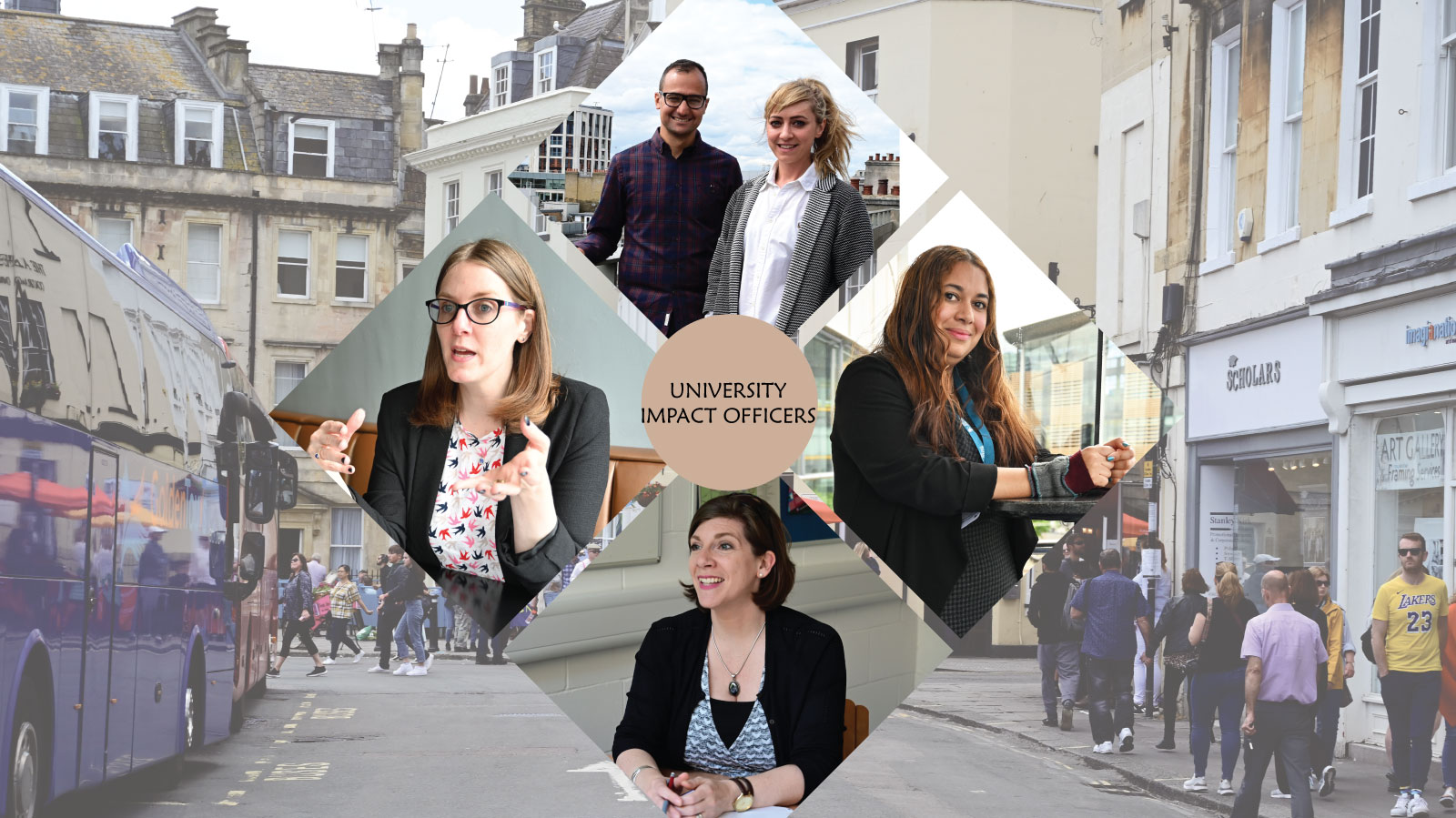
Interviewer: Makoto Yuasa, Ai Kano
Participants:
- Natalie Wall, Research Impact Manager, Queen Mary University of London
- Jo Lakey, REF Delivery Director, King’s College London, Katy McKen, Head of Information and Impact, University of Bath
- Katy McKen, Head of Information and Impact, University of Bath,
- Rachel Middlemass, Research Impact Manager, and Kieran Booluck, Impact Support Manager, London School of Economics and Political Science
Q. How do you define “Impact”?
(Jo) I think it’s about getting people to understand what they are trying to achieve, who they are trying to reach, and how they know when they get there. One of my colleagues used to say that impact is new things, more good things, and fewer bad things.
(Rachel) Impact is effect on, change to, or benefit to the economy, society, culture—basically anything beyond academia. Whenever an academic engages with partners, audiences, or other actors beyond their own university, including to exchange ideas or knowledge, that’s part of their pathway to impact. However, the impact itself is really what happens as a result of that engagement.
(Natalie) To me, impact is a change or shift in attitude that is demonstrable. For example, policy that was planned but didn’t get implemented would also be considered impact. That is the very basic definition. So, you’ve got different types of impact: economic, societal, cultural, attitudinal, and practical.
(Katy) I would say it’s something that has happened because of our research but outside academia and the university. That’s my working definition. But the important thing is that something is different, something has changed.
How did you work with faculties to create case studies?
(Jo) Each unit collects case study assessments. They then assess which research has had impact, who got an impact case study, and then look at all the examples of impact. Then they have to hunt for things—who’s been in the news, who’s got high impact stories—they look for all sorts of different ways to try and find those stories. The most difficult thing, obviously, is when you don’t have many stories.
(Rachel and Kieran) Research and Innovation (the LSE division where we work) provides input right from the point where people are developing applications. Our grant application team will talk to academics about how they might plan for and create resources for impact. Colleagues in the Communications Division can help people get their work out into the world beyond academia. And we can help them tell the story of the benefits that delivers. Most of our information comes from interviewing people about their work and the ways it’s being used, sometimes because of something we have read or seen or heard, sometimes because they’ve approached us of their own accord. Ideally, researchers take the lead on drafting their own accounts of impact, but we understand that their time is always tight, and we will help them with writing and editing as much as they need us to.
We do our best to make them feel like we’re on their side. There has been a big cultural shift from 2014 and it’s a very different landscape now than what it was five years ago. But there isn’t a one-size-fits-all model for supporting impact. It’s important to understand that each department or discipline has its own culture, and that there are also big variations in individual academics’ levels of interest in impact. You have to tailor your approach accordingly.
(Natalie) The impact office visits researchers to understand what work they have done and we take it up for documentation. We recommend that all case studies be written by the academics, or, if they are busy, someone from the project team. And then someone from my team will go over the case study they write and try to plug in the gaps. We figure out how evidence and testimonials on the research impact can be collected. In some cases, we even suggest how the impact of the research can be pushed a bit further.
What was the research community’s initial reaction to REF Impact Assessment?
(Jo) When they first heard “impact” was going to be included in the REF, many people thought it was a terrible idea. Some took a long time to accept the fact that it was going to happen. People are much more open to the idea now than they were earlier. And I think it’s lovely when you have a discussion with an academic who over the course of your discussion gets it and is ready to work with you.
(Katy) I don’t think there was resistance, because we knew we had to do it. But it was challenging to get the faculties to identify their case studies and understand what impact meant. I think that was the hardest part. I think people, for the most part, accepted that it was part of REF, so they have to comply with it. But then, really understanding what that meant and then finding the best case studies was the hard part.
Has the REF brought about any change in research culture?
(Jo) I think there is a bit of a shift in the way researchers are working. You do get a lot more people talking about their impact, thinking about public engagement and about what they need to do. But my theory is that it’s going to take a long, long time to properly embed it.
(Natalie) Adopting impact can be challenging for early career researchers. They have no idea what it means. So, we train PhD students and teach them how to start thinking early in their career about impact, because they’re being asked about impact when they apply for jobs. It’s about professionalizing early, getting people thinking about things. For the most part, people really appreciate it. When you don’t have the time to write a case study, it can be quite frustrating. Most people are happy with the support they are getting from the Impact Team.
(Katy) The biggest change I’ve seen is with people’s awareness about what research impact is. We run a session in impact on the university’s training program for all new lecturers at the university. Over time we have seen a change in academics’ engagement with impact. A few years ago, I was asking the impact-related questions, while they focused on their research. I had to prompt them to think about who might benefit from the research. Now, their colleagues have so much more awareness that it’s them, young lecturers, suggesting things like possible collaborators or different ways of engaging stakeholders. It is absolutely fascinating to see that sort of change.

